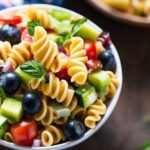

Kroger pasta salads being removed from store shelves due to Listeria risk.
Kroger has initiated a recall of certain pasta salads sold in nearly 30 states due to potential contamination with Listeria monocytogenes. This move aims to protect consumers from the risk of serious infections, particularly among vulnerable populations such as pregnant individuals, newborns, older adults, and those with weakened immune systems. The recall includes two types of pasta salad bowls: Basil Pesto Bowtie Salad and Smoked Mozzarella Penne Salad, sold between August 29 and October 2 in 1,860 Kroger-owned stores.
Understanding the Recall
The U.S. Food and Drug Administration (FDA) states that the recalled salads were made using pasta produced by Nate’s Fine Foods in Roseville, California. The recall affects Basil Pesto Bowtie Salad and Smoked Mozzarella Penne Salad, which were sold in nearly 30 states, including Alabama, Alaska, Arizona, Arkansas, California, Colorado, Georgia, Idaho, Illinois, Indiana, Kansas, Kentucky, Louisiana, Michigan, Mississippi, Missouri, Montana, Nebraska, Nevada, New Mexico, Ohio, Oregon, South Carolina, Tennessee, Texas, Utah, Washington, and West Virginia. The FDA identified the potential contamination through its routine inspection processes.
What is Listeria Monocytogenes?
Listeria monocytogenes is a type of bacteria that can cause serious infections, with symptoms including fever, headache, muscle aches, confusion, loss of balance, and seizures. Vulnerable populations, such as pregnant individuals, newborns, older adults, and those with weakened immune systems, are at higher risk. The recall was initiated after the FDA found that the pasta used in the salads was potentially contaminated.
Understanding Listeria Infections
Listeria monocytogenes is a type of bacteria that can cause listeriosis, a serious infection that can be life-threatening. The symptoms of listeriosis can vary, but they often include fever, headache, muscle aches, confusion, loss of balance, and seizures. In severe cases, listeriosis can cause meningitis, sepsis, and even death. Listeria infections are typically diagnosed through laboratory tests, such as blood or spinal fluid tests.
Treatment and Prevention
Listeria infections are usually treated with antibiotics, and in severe cases, hospitalization may be necessary. Prevention is key, and consumers can take steps to reduce their risk of infection. This includes handling and storing food safely, cooking food to the recommended temperature, and avoiding cross-contamination. Consumers are advised not to eat the recalled products and to return them to the store for a refund.
The Recall Process and Consumer Safety
The recall process is an important step in protecting consumer safety. When a recall is initiated, the manufacturer or distributor of the affected product must take immediate action to remove the product from the market and notify consumers. In this case, Kroger has initiated a recall of the affected pasta salads and is working with regulatory agencies to ensure that consumers are informed and protected.
Consumer Advice
Consumers who have purchased the recalled products are advised not to eat them and to return them to the store for a refund. Consumers can also check the FDA’s website for a list of recalled products and for information on how to identify the recalled salads. It’s also important for consumers to be aware of the symptoms of listeriosis and to seek medical attention immediately if they experience any of these symptoms.
Preventing Listeria Infections and Ensuring Food Safety
Preventing Listeria infections requires a combination of proper food handling, storage, and cooking techniques. Consumers can take steps to reduce their risk of infection by handling and storing food safely, cooking food to the recommended temperature, and avoiding cross-contamination. It’s also important for consumers to be aware of the risks associated with certain foods, such as soft cheeses and deli meats, and to take steps to minimize their risk.
Strategies for Prevention
There are several strategies that consumers can use to prevent Listeria infections. These include washing hands frequently, especially after handling food, and cleaning and sanitizing surfaces and utensils. Consumers should also separate raw meat, poultry, and seafood from ready-to-eat foods, and cook food to the recommended temperature. It’s also important for consumers to be aware of the expiration dates of perishable foods and to discard any food that is past its expiration date.
Next Steps
In conclusion, the recall of pasta salads due to Listeria risk highlights the importance of food safety and the need for rigorous quality control measures in the food industry. Consumers can take steps to protect themselves by being aware of the risks associated with certain foods and by taking steps to minimize their risk. By working together, we can reduce the risk of Listeria infections and ensure that our food supply is safe and healthy.