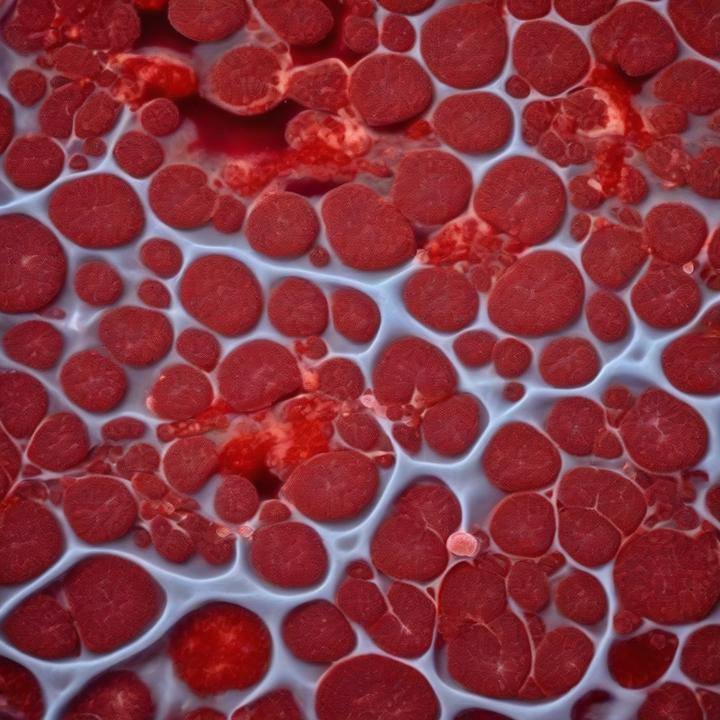
Brain scan showing potential damage from artificial sweetener consumption.
Erythritol, a popular sugar substitute, may be secretly undermining the body’s crucial protective barriers, with potentially severe consequences for heart health and stroke risk. As a widely used alternative to sugar, erythritol is found in many “sugar-free” and “keto-friendly” foods. But recent research suggests that this sweetener may damage cells in the blood-brain barrier, increasing vulnerability to blood clots and ischemic stroke.
Erythritol’s Emerging Risks
The use of erythritol as a sugar substitute has become increasingly popular in recent years, with many consumers turning to it as a “healthier” alternative to sugar. However, a recent study from the University of Colorado suggests that erythritol may have hidden dangers, particularly when it comes to brain health. The study exposed blood-brain barrier cells to levels of erythritol typically found after drinking a soft drink sweetened with the compound, and the results were alarming. Erythritol triggered oxidative stress, flooding cells with harmful, highly reactive molecules known as free radicals.
The sweetener also disrupted the body’s natural antioxidant defenses and damaged the cells’ ability to function properly. Furthermore, erythritol reduced nitric oxide production while ramping up endothelin-1, potentially starving the brain of oxygen and nutrients. These findings add to a growing body of evidence linking erythritol consumption to higher rates of cardiovascular disease.
The Science Behind Erythritol’s Effects
So, how does erythritol trigger oxidative stress and disrupt the body’s natural antioxidant defenses? The answer lies in the way the sweetener interacts with cells in the blood-brain barrier. When erythritol is consumed, it is absorbed into the bloodstream and eventually makes its way to the blood-brain barrier, where it can cause damage to cells. The study from the University of Colorado found that erythritol triggered a significant increase in oxidative stress, which can lead to cell damage and even cell death.
The mechanisms by which erythritol triggers oxidative stress are complex, but they involve the disruption of the body’s natural antioxidant defenses. Antioxidants, such as vitamins C and E, play a crucial role in protecting cells from damage caused by free radicals. However, when erythritol is present, it can overwhelm the body’s antioxidant defenses, leading to a buildup of free radicals and subsequent cell damage.
Cardiovascular Risks and Regulatory Approval
The observational data linking erythritol consumption to higher rates of cardiovascular disease is concerning, to say the least. Studies have shown that individuals who consume high amounts of erythritol are more likely to experience cardiovascular events, such as heart attacks and strokes. Furthermore, the regulatory agencies’ approval of erythritol as safe for consumption has been called into question, given the growing body of evidence suggesting its potential dangers.
The European Food Standards Agency and the US Food and Drug Administration have both approved erythritol as a safe food additive, but some experts argue that this approval was based on incomplete or outdated data. As more research emerges, it is becoming increasingly clear that erythritol may not be as safe as previously thought. The implications of this are significant, particularly for individuals who consume high amounts of erythritol or use it as a primary sweetener.
Implications and Future Directions
So, what are the potential consequences of erythritol consumption for individuals and public health? The answer is complex, but it is clear that erythritol poses a significant risk to brain health and cardiovascular health. Individuals who consume high amounts of erythritol may be increasing their risk of cardiovascular disease, including heart attacks and strokes. Furthermore, the widespread use of erythritol in “sugar-free” and “keto-friendly” foods may be contributing to a public health crisis.
The need for further research is clear, particularly when it comes to the long-term effects of erythritol consumption. As more data emerges, it is likely that regulatory agencies will be forced to re-evaluate their approval of erythritol as a safe food additive. In the meantime, individuals can take steps to protect themselves by limiting their consumption of erythritol and choosing alternative sweeteners that are safer and more natural.
Key Takeaways and Considerations
In conclusion, the potential risks associated with erythritol consumption are significant, and individuals should be aware of these risks when making decisions about their diet. The science behind erythritol’s effects is complex, but it is clear that this sweetener can trigger oxidative stress and disrupt the body’s natural antioxidant defenses. As more research emerges, it is likely that our understanding of erythritol’s effects will continue to evolve, and individuals can take steps to protect themselves by choosing safer, more natural alternatives.
For now, the key takeaways are clear: erythritol is not as safe as previously thought, and individuals should approach its consumption with caution. By choosing alternative sweeteners and limiting their intake of “sugar-free” and “keto-friendly” foods, individuals can reduce their risk of cardiovascular disease and protect their brain health. As the science continues to unfold, one thing is certain: erythritol’s hidden dangers will not be ignored.