
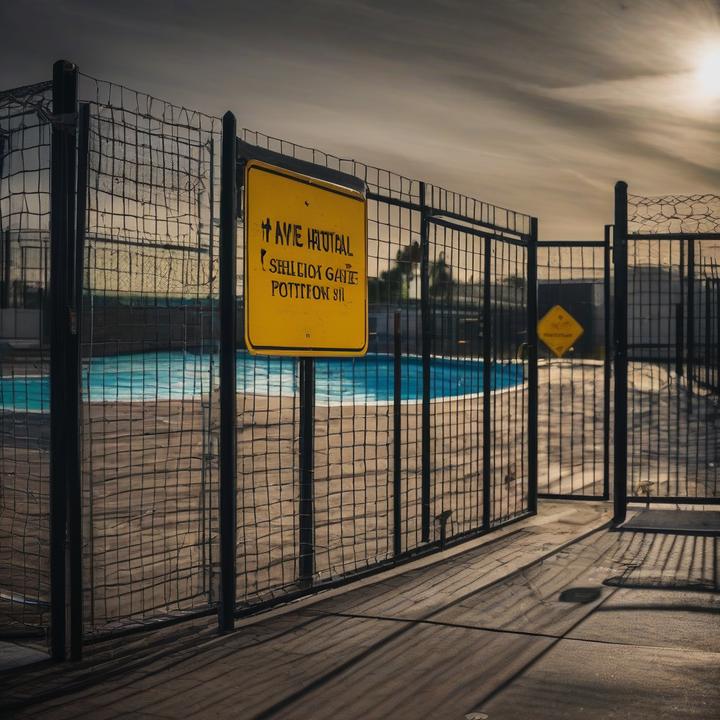
Person installing fence around residential swimming pool for safety.
What can be done to prevent pool accidents and drowning incidents among children? Pool accidents can happen unexpectedly, and it’s essential to take proactive measures to ensure pool safety. According to the American Academy of Pediatrics, nearly 70% of children who drown in pools were not expected to be at or in the pool. This article aims to provide valuable information and guidance on preventing pool accidents and drowning incidents. By understanding the risks associated with pool accidents and taking the necessary safety measures, we can create a safer environment for everyone.
Understanding the Risks of Pool Accidents
Pool accidents can have devastating consequences, and it’s crucial to understand the risks associated with them. The U.S. Consumer Product Safety Commission found that 46% of children who drowned in pools were last seen in the house. This highlights the importance of supervision and pool safety measures. Pool fences are a crucial safety measure, with 58% of drownings among children aged 4 and under occurring in a pool or spa at their own home. The American Academy of Pediatrics recommends that pool fences be climb-proof, at least 4 feet high, and completely surround the pool.
The Importance of Pool Fences and Safety Measures
What Makes a Pool Fence Effective
A pool fence should be climb-proof, at least 4 feet high, and completely surround the pool. The fence should have a secure latch that is out of reach of small children. Additional safety measures, such as pool alarms and covers, can provide extra protection. These measures can help prevent pool accidents and drowning incidents by restricting access to the pool and alerting adults in case of an emergency.
The Role of Adult Supervision in Pool Safety
Assigning a water watcher is crucial in preventing pool accidents. The water watcher should be vigilant, not under the influence of drugs or alcohol, and able to respond quickly in case of an emergency. This is especially important for children aged 4 and under, as they are at a higher risk of drowning. By having a designated water watcher, we can ensure that children are supervised at all times and reduce the risk of pool accidents.
Additional Safety Tips for Pool Owners and Caregivers
Creating a Safe Pool Environment
Ensuring that the pool area is clear of obstacles and tripping hazards is essential. Installing a pool fence that meets the recommended safety standards is also crucial. Consider additional safety measures, such as pool alarms and covers, to provide extra protection. By creating a safe pool environment, we can reduce the risk of pool accidents and drowning incidents.
Supervising Children in and Around the Pool
Assigning a water watcher to supervise children at all times is vital. Ensure that the water watcher is vigilant and able to respond quickly in case of an emergency. Teach children basic water safety skills, such as swimming and floating, to help them stay safe in and around the pool. By supervising children and teaching them water safety skills, we can reduce the risk of pool accidents and drowning incidents.
The Consequences of Pool Accidents and Drowning Incidents
The Emotional and Financial Impact of Pool Accidents
Pool accidents can have a devastating emotional impact on families and loved ones. The financial cost of pool accidents can be significant, including medical expenses and legal fees. According to Alison Siegel Tothy, a pool safety expert, “Pool accidents can have a lasting impact on families and communities.” By prioritizing pool safety, we can reduce the risk of pool accidents and drowning incidents, and prevent the emotional and financial consequences that follow.
The Importance of Pool Safety Awareness and Education
Raising awareness about pool safety and the risks associated with pool accidents is crucial. Educating pool owners, caregivers, and children about pool safety can help prevent accidents and save lives. By working together, we can create a safer environment for everyone and reduce the risk of pool accidents and drowning incidents.
Pool Safety is Everyone’s Responsibility
Pool accidents and drowning incidents can be prevented by taking proactive measures, such as installing pool fences and supervising children. By creating a safe pool environment, supervising children, and raising awareness about pool safety, we can reduce the risk of pool accidents and save lives. As Sadie Harley, a pool safety advocate, notes, “Pool safety is a collective responsibility, and by working together, we can create a safer environment for everyone.” By prioritizing pool safety and taking the necessary precautions, we can ensure that everyone can enjoy the pool safely.