
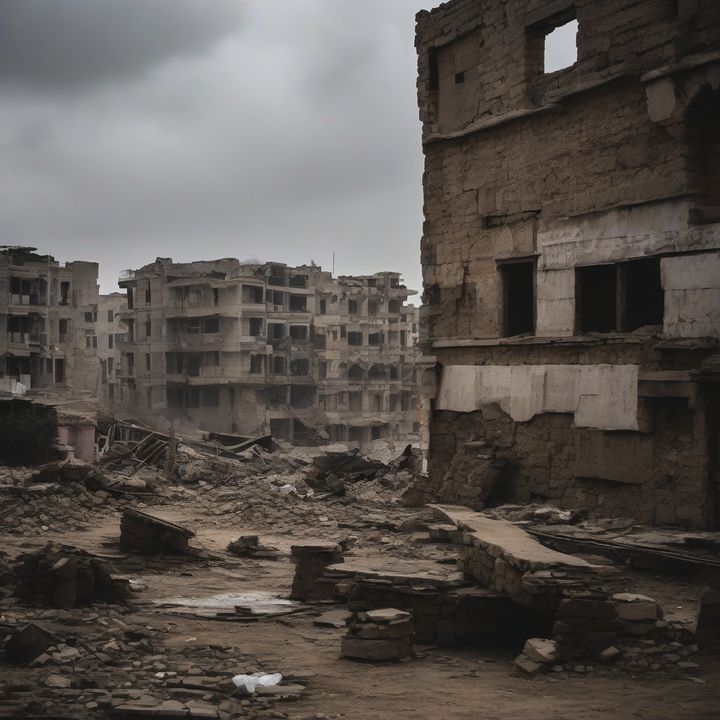
People in Gaza gather near damaged buildings and rubble-filled streets.
The conflict in the Middle East has far-reaching consequences that extend beyond the immediate war zones, affecting individuals and communities in profound ways. A recent study published in The Lancet Regional Health – Western Pacific sheds light on the often-overlooked psychological toll of war on Australian women with personal or family connections to the region. This article aims to delve into the findings of this study and explore the broader implications of conflict on mental health, highlighting the need for early intervention and support for those affected.
A Study of Resilience and Trauma
Professor Susan Rees from UNSW Sydney and Dr. Aino Suomi from ANU led a study that examined the mental health impact of the conflict in the Middle East on Australian women with connections to the affected regions. The study involved 410 women, including those from directly impacted regions like Gaza, other Palestinian territories, and Lebanon. The research found a significant increase in panic disorder symptoms and a decrease in the quality of life among the studied group compared to women born in Australia and those from other migrant groups.
The study’s methodology and key findings provide valuable insights into the experiences of Australian women with connections to the Middle East conflict. The researchers used a comprehensive approach to assess the mental health impact of the conflict, including the use of standardized questionnaires and interviews. The findings highlight the importance of recognizing and addressing the underlying factors related to war and human rights violations to mitigate long-term mental health issues.
The Ripple Effect of Conflict
The conflict in the Middle East has resulted in increased panic disorder symptoms among Australian women with connections to the affected regions. The study found that the women who participated in the study experienced a significant increase in panic disorder symptoms, including anxiety, fear, and avoidance behaviors. The quality of life among the studied group also decreased, with many women reporting difficulties in daily functioning, social relationships, and emotional well-being.
The broader implications of conflict on public health are significant, with the potential for long-term mental health issues, including chronic disorders and further decline in daily functioning. The study highlights the need for urgent attention to the mental health of diaspora populations connected to conflict zones. Early mental health intervention and targeted support are crucial to prevent chronic disorders and further decline in daily functioning.
Towards Healing and Support
Providing mental health support to diaspora populations affected by conflict requires a comprehensive approach that addresses the unique needs and experiences of these communities. Policymakers, healthcare professionals, and community leaders play a critical role in addressing the psychological toll of war. Strategies for providing mental health support include the use of culturally sensitive interventions, community-based programs, and individualized therapy.
The importance of recognizing and addressing the underlying factors related to war and human rights violations cannot be overstated. This includes providing support for women who have experienced trauma, including those who have been displaced, injured, or lost loved ones. Community-based programs can provide a safe and supportive environment for women to share their experiences, receive support, and connect with others who have gone through similar experiences.
A Call to Action
In conclusion, the psychological impact of war on individuals and communities beyond the immediate war zones is a critical issue that requires urgent attention. The study’s findings highlight the need for early intervention and support for those affected, particularly diaspora populations connected to conflict zones. By raising awareness and taking action to support those affected, we can work towards healing and recovery, and mitigate the long-term mental health implications of conflict.
The importance of addressing the psychological toll of war cannot be overstated. As a global community, we have a responsibility to provide support and care to those affected by conflict, including diaspora populations. By working together, we can create a more compassionate and supportive environment for those who have been impacted by war, and promote healing, recovery, and resilience.