
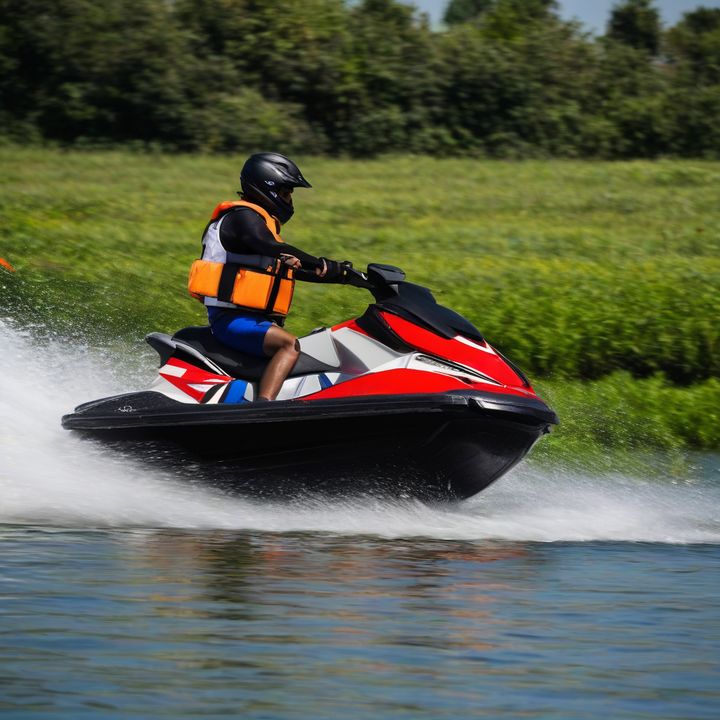
Jet ski in distress after accident on choppy waters with rescuers nearby
Recent incidents have highlighted the importance of safety measures in jet skiing, emphasizing the need for public education, safety gear, and consistent regulations to prevent such incidents. Jet ski accidents can be tragic and often preventable with proper awareness and precautions. This article aims to educate readers on the risks and prevention strategies associated with jet skiing. By understanding the causes and consequences of jet ski accidents, readers can take steps to minimize their risk.
Understanding Jet Ski Accident Risks
What Causes Jet Ski Accidents?
Most jet ski crashes occur in daylight hours, on weekends, and during warmer months. Injuries typically happen close to shore, often within 50 meters, where crowded conditions increase the risk of collisions. The exact cause of the recent jet ski crash in Sydney is being investigated, but it’s clear that a combination of factors can contribute to these incidents.
Who Is at Risk?
Global jet ski statistics indicate that about 85% of jet ski injuries involve male riders. Risk-taking behavior and being an inexperienced rider are also risk factors, with young adults dominating injury statistics. Additionally, an estimated 60% of jet ski crashes involve the rider drinking alcohol, highlighting the importance of responsible behavior when operating a jet ski.
Jet ski accidents can happen to anyone, but certain groups are more vulnerable due to behavior, experience, or environmental factors. By recognizing these risks, riders can take steps to minimize their chances of being involved in an accident.
Prevention Strategies for Jet Ski Safety
Public Education and Awareness
Public education campaigns can remind riders of the risks and promote better behavior. This includes slowing down in congested areas, avoiding reckless turns, and being careful with passengers. By educating riders on the importance of safety, we can reduce the number of accidents and injuries on the water.
Safety Gear and Protective Measures
Women are recommended to wear neoprene protective shorts or wetsuits to reduce the risk of perineal injuries from water jets. Manufacturers can redesign handlebars to reduce the severity of impact injuries. A combination of public education, safety gear, and protective measures can significantly reduce the risk of jet ski accidents.
By taking a proactive approach to safety, riders can enjoy jet skiing while minimizing their risk of accident or injury. This includes being aware of their surroundings, following regulations, and wearing appropriate safety gear.
Regulations and Safety Standards
Consistent Regulations Across States
States need consistent rules on minimum rider age, training, and licensing. Inconsistent regulations create confusion and loopholes, especially when riders cross borders. By establishing clear and consistent regulations, we can ensure that all riders are held to the same safety standards.
Safety Standards for Manufacturers
Manufacturers can build in safeguards that reduce jet pressure when no one is seated at the rear. This can help safeguard the health of a passenger who falls off backwards. Consistent regulations and safety standards are crucial for preventing jet ski accidents and ensuring rider safety.
By working together, governments, manufacturers, and riders can create a safer environment for all jet ski enthusiasts. This includes establishing and enforcing consistent regulations, as well as promoting public education and awareness campaigns.
Real-Life Examples and Expert Insights
Case Studies of Jet Ski Accidents
Examining real-life cases can provide valuable insights into the causes and consequences of jet ski accidents. Expert analysis can help identify patterns and risk factors associated with these incidents. By studying these cases, we can gain a better understanding of how to prevent similar accidents in the future.
Expert Recommendations for Safety
Experts recommend a range of safety measures, including public education, safety gear, and consistent regulations. By following these recommendations, riders can significantly reduce their risk of being involved in a jet ski accident. This includes being aware of their surroundings, following regulations, and wearing appropriate safety gear.
Real-life examples and expert insights can inform and educate readers on the importance of jet ski safety. By sharing these stories and recommendations, we can promote a culture of safety and responsibility within the jet skiing community.
Taking Action for Jet Ski Safety
Practical Steps for Riders
Riders can take practical steps to minimize their risk, such as wearing safety gear, following regulations, and being aware of their surroundings. By taking these steps, riders can enjoy jet skiing while reducing their risk of accident or injury.
Advocating for Safety Measures
Readers can advocate for safety measures, such as public education campaigns, consistent regulations, and safety standards for manufacturers. By working together, the jet skiing community can create a safer environment for all riders. This includes promoting awareness and education, as well as supporting efforts to establish and enforce consistent regulations.
Taking action for jet ski safety requires a combination of individual responsibility and collective advocacy. By working together, we can reduce the risk of accidents and create a safer environment for all jet ski enthusiasts.
Moving Forward with Jet Ski Safety
Jet ski accidents can be tragic and often preventable with proper awareness and precautions. By understanding the causes and consequences of jet ski accidents, readers can take steps to minimize their risk. This includes being aware of their surroundings, following regulations, and wearing appropriate safety gear.
By prioritizing safety and taking action, the jet skiing community can reduce the risk of accidents and create a safer environment for all riders. This includes promoting awareness and education, as well as supporting efforts to establish and enforce consistent regulations. Together, we can enjoy the thrill of jet skiing while minimizing the risk of accident or injury.